Signature treatments

Otoplasty

Correcting the position and shape of the ears, for a natural look in harmony with your face.

What is otoplasty?

Otoplasty is the procedure that corrects the position, shape and proportions of the ears, so that they sit naturally with your face.

The process

What happens at each step, from our first meeting to your recovery.

  1. Before the procedure

    We discuss your medical history, the medication you take and your expectations. I explain the proposed technique.

  2. Day of the procedure

    I follow the surgical plan we have discussed, shaping the cartilage and fixing the ears in their new position.

  3. After the procedure

    In the first days, swelling, bruising and tenderness may appear in the area. I guide you on caring for the dressing.

Before and after

My patients, with their consent. Drag the line to see the difference.
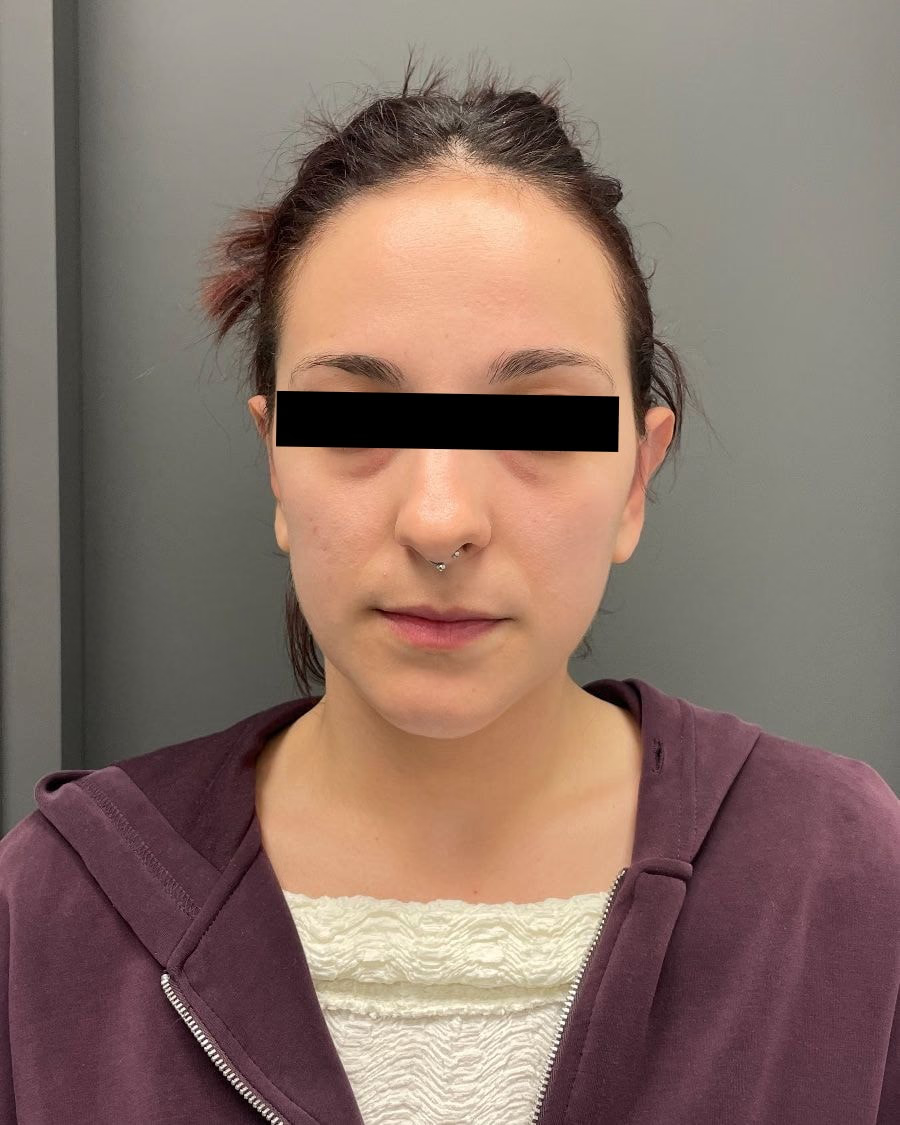
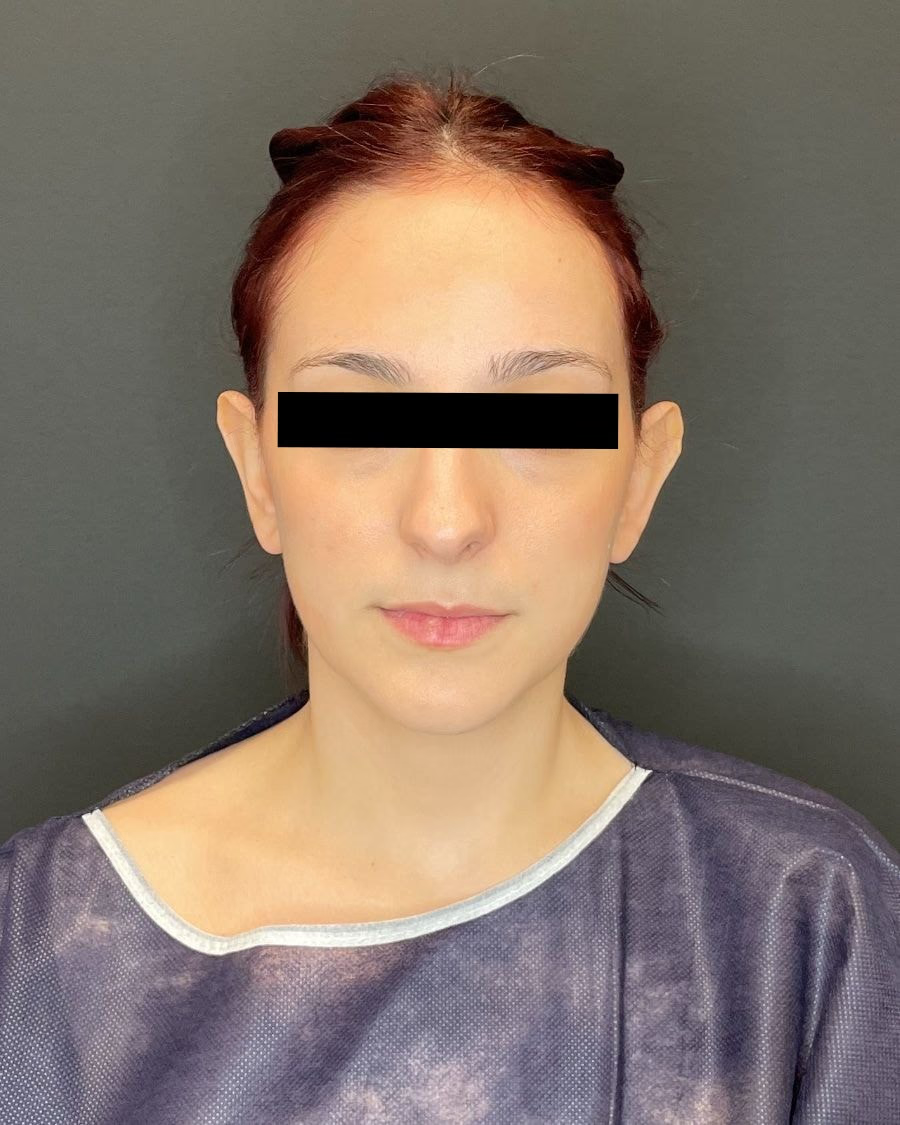
Ears, front: afterEars, front: before

Ears, frontBefore and three months after

Results differ from person to person.

Questions

What you ask most often about otoplasty.For anything else, just ask.

Ask me in the chatI answer right away

It may be an option for you if:

  • Your ears stick out more than you would like, the so-called “prominent ears”.
  • There is asymmetry in the shape or position of the two ears.
  • The natural folds of the ears have not fully formed, affecting their outline and projection.
  • A previous operation has not fully corrected what concerns you, or the ears have started to stick out again.

At our first meeting, I examine the shape of your ears and listen to what you would like to change. I assess whether otoplasty is right for you and plan the correction based on your own anatomy, with emphasis on the natural curve and the balance between the two sides.

The procedure is usually done through incisions on the back of the ears, so that the scars stay discreet. Before you decide, we discuss the expected result, the limits and the possible risks of the procedure.

Local or general anaesthesia, depending on age, needs and the surgical plan.

Usually 1–2 hours, depending on the extent of the correction.

Usually you go home the same day, if the post-operative assessment allows it.

About 1–2 weeks before returning to light daily activities. Full healing and a return to sport take longer and need personal instructions.

Cookie settings

Choose which cookies you allow. You can change your mind any time from the bottom of the page. cookie policy.